


Are Surveillance Cameras Legal in Cleveland? Understanding Your Rights and Responsibilities

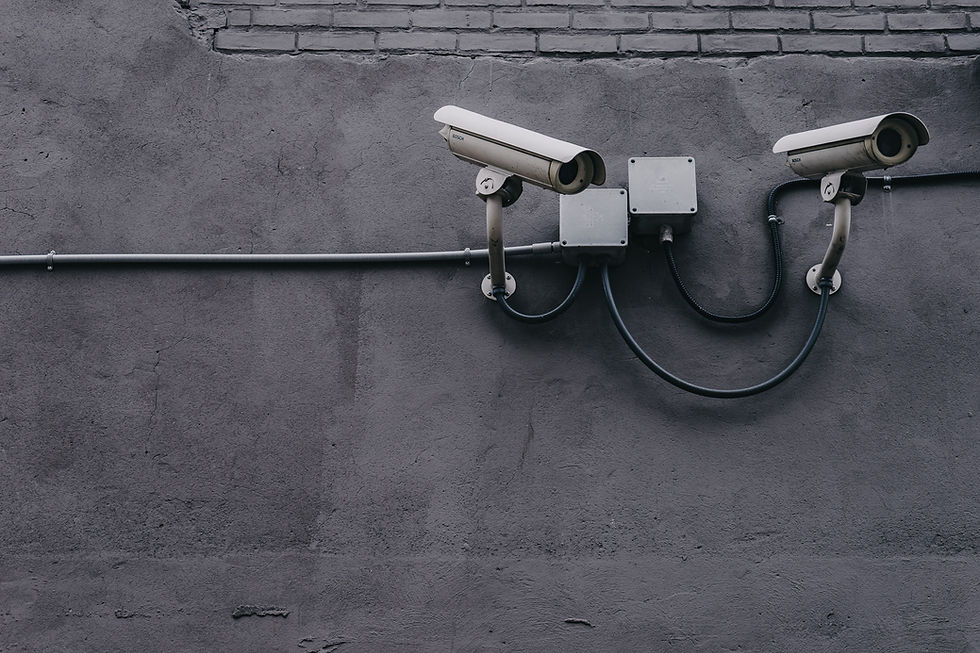
In today's world, security cameras have become an increasingly common sight, from bustling city streets to quiet suburban homes. While offering peace of mind and acting as a deterrent against crime, their presence often raises questions about privacy and legality. If you're considering installing surveillance cameras in Cleveland, or simply wondering about the cameras you encounter, understanding the legal landscape is crucial.
This blog post will delve into the general legal principles surrounding surveillance cameras in the United States, with a focus on how these might apply in Cleveland, Ohio.
General Legal Principles Governing Surveillance Cameras
The legality of surveillance cameras largely depends on where the camera is placed and what it is recording. Here are the key distinctions:
1. Public vs. Private Property:
Public Property: Generally, there is no expectation of privacy in public spaces. This means that installing cameras that record areas visible from public property (like your driveway or the street in front of your house) is typically legal. Law enforcement agencies also widely use surveillance cameras in public areas for safety and crime prevention.
Private Property (Your Own Home/Business): You generally have the right to install cameras on your own private property to monitor your home, business, or yard. This is where the majority of residential security camera installations fall.
Private Property (Belonging to Others): Recording private property that doesn't belong to you without permission can lead to legal issues, especially if it infringes on someone's reasonable expectation of privacy.
2. Expectation of Privacy:
This is a core concept in surveillance law. People have a reasonable expectation of privacy in certain places, such as:
Inside their homes: You cannot generally place a camera to record the interior of someone else's private residence without their consent.
Bathrooms, bedrooms, and changing rooms: Recording in these areas is almost always illegal, regardless of consent, due to the highly private nature.
Workplaces (with nuances): While employers can often monitor common areas in a workplace, there are limits to surveillance in private spaces like restrooms or locker rooms.
3. Audio Recording:
This is a critical distinction! While video recording in public or on your own property is often permissible, audio recording comes with stricter rules.
One-Party Consent States vs. All-Party Consent States: Ohio is a one-party consent state. This means that as long as one person involved in the conversation is aware of and consents to the recording, it is generally legal. This could be you if you are a participant in the conversation. However, secretly recording conversations where you are not a party to the conversation, especially if there's a reasonable expectation of privacy, can be illegal.
Federal Wiretapping Act: This federal law also prohibits the interception of oral communications where there is a reasonable expectation of privacy.
4. Visible vs. Hidden Cameras:
While not always a legal distinction, the visibility of a camera can play a role in intent and public perception. Hidden cameras, especially in areas with an expectation of privacy, are more likely to lead to legal trouble.
Applying These Principles in Cleveland, Ohio
As a city within Ohio, Cleveland follows Ohio state laws regarding surveillance. Here's a summary of what that means for you:
Outdoor Cameras on Your Property: Generally legal. You can install cameras on the exterior of your home or business to monitor your property, driveway, and areas visible from public spaces.
Indoor Cameras in Your Home: Legal within your own home. You have the right to secure your private residence.
Recording Neighbors' Property: While your camera may inevitably capture some of your neighbor's property if it's adjacent to yours, intentionally pointing a camera to specifically surveil a neighbor's private activities in their backyard or inside their home could lead to civil disputes or legal challenges based on invasion of privacy. It's always best to aim your cameras to cover your own property primarily.
Audio Recording in Cleveland: Remember, Ohio is a one-party consent state. If you are recording a conversation, and you are a participant in that conversation, it is generally legal for you to record it without informing the other parties. However, recording conversations where you are not a party, particularly in situations where people have a reasonable expectation of privacy, can be illegal. It's often safer and more ethical to avoid audio recording in general unless absolutely necessary and legally advised.
Key Takeaways and Best Practices:
Know Your Location: The most important factor is where the camera is placed. Public areas are generally fair game; private areas with an expectation of privacy are not without consent.
Be Mindful of Audio: Always be cautious with audio recording, as it has stricter laws than video.
Communicate: If you're a business owner with surveillance, clear signage informing customers and employees about camera usage is always a good idea.
Prioritize Your Property: Focus your cameras on your own property for security purposes.
Consult an Attorney: If you have specific, complex concerns or are considering a unique surveillance setup, it's always best to consult with a legal professional.
Understanding these legal nuances ensures you can utilize surveillance technology responsibly and effectively.
For professional advice and installation of security cameras in Cleveland, contact Cleveland Security Cameras at 216-333-8245.


Comments